
Turkish and Islamic Arts MuseuM
Written by Athina Pfeiffer (2026)
INtroduction
The Turkish and Islamic Arts Museum (Türk ve Islam Eserleri Müzesi, or TIEM) is located in Istanbul's Fatih District. Founded in 1914 and housed since 1983 in the 16th-century Ibrahim Pasha Palace, the museum contains a rich collection of carpets, metalwork, glass and ceramics, wall paintings, woodwork, textiles, calligraphic samples, and manuscripts spanning the early Islamic period through the Ottoman era. TIEM is also home to more than 200,000 manuscript fragments from the Qubbat al-Khazna in Damascus.
If you're visiting the museum, you can explore its collections daily from 9am to 5:30pm. If you're conducting research, however, you'll need to work through the directorate office, which is open Monday through Friday from 9am to 4pm. Depending on staff availability, you may be able to stay until 5pm.
Location: Google Maps
GOING THERE
TIEM is centrally located in Sultanahmet, about a five-minute walk from Hagia Sophia and directly across from the Blue Mosque. From the museum's terrace, you can enjoy a peaceful view of the mosque and Sultanahmet Square.
The easiest way to reach the museum is by tram. Get off at Sultanahmet Station, which is about a two-minute walk from the entrance. From there, walk through Sultanahmet Square; the museum is located next to the Hagia Sophia Museum. If you're arriving by Marmaray, the closest station is Sirkeci—a fifteen-minute walk from the museum.
GETTING IN
It's a good idea to call the museum about a week or two before your visit to let the staff know you'll be conducting research. This helps ensure that you'll be granted access and gives the staff time to prepare for your arrival. Since the museum does not have a dedicated research room, researchers are typically accommodated in the directorate office. Keep in mind that few staff members speak languages other than Turkish.
When you arrive at TIEM, enter through the main visitor entrance and proceed to the security checkpoint. You do not need to purchase an admission ticket. Let the guards know that you are there for research, and they will usually contact a staff member to escort you to the directorate office. If no one is immediately available, head toward the museum shop on the right and take the stairs just before it. At the top of the stairs, turn left toward the terrace seating area. The directorate office is located on your left.
You are not normally required to present identification or proof of institutional affiliation, but it is a good idea to bring both just in case. Once in the office, you will likely be introduced to a staff member and asked to explain your research project and the materials you wish to consult. Depending on your needs, you may be directed to different members of the staff.
You may bring personal belongings into the office without restriction. However, because staff and visitors frequently pass through the space, you will likely be advised not to leave your belongings unattended.
Finding your material
There is no comprehensive catalog for the TIEM collections. If you’re looking for manuscripts, visit the website of the Turkish Manuscripts Institution (TÜYEK) where 2,949 TIEM manuscripts have been cataloged. These do not include the Damascus fragments collection, which remains uncataloged.
In my case, because I was consulting the Damascus fragments, I was given access to one of the office computers, where images of all the fragments are stored as JPEG and TIFF files in about 14,000 folders. Each folder number corresponds to the official shelfmark of fragments within them. Individual images within a folder are numbered digitally; together, the folder and image numbers effectively constitute the full shelfmark of a fragment—although this might not reflect the physical organization of the fragments in the folders (on the physical collection, see below).
Be aware that the organization of the Damascus fragments folders can be somewhat difficult to navigate. As a general rule, folders in the 13,000 range tend to contain a higher proportion of paper fragments, whereas lower-numbered folders often contain parchment. Also, the lower numbered folders contain less fragments because they are organized according to codicological units. The staff may be able to help you identify particular types of Damascus fragments, but for the most part, you should expect to conduct your own searches through the collection.
Ordering your material
You are free to browse the digital folders independently and consult the images of the material available on the computer. Note that it is forbidden to take picture of the computer screen.
You may be able to view a small number of physical items, depending on staff availability and your research needs (e.g., for codicological purposes).
Ordering scans
Most TIEM manuscripts have been digitized and are accessible through TÜYEK. If images of a manuscript are not available online, ask a staff member for assistance.
If you are working with the Damascus fragments or other materials that are available digitally only through the directorate office, the staff will usually ask you to create a folder under your name when you arrive. As you work, you can copy-paste the images you wish to order into that folder.
Once you have a sense of how many images you would like to purchase (150 TL per JPEG image as of 2026), speak with the staff member responsible for financial matters, who is also seated in the directorate office. It is a good idea to discuss the process early on so that you can plan accordingly.
You’ll be provided with the museum's banking information. Payment can be made in Turkish lira, US dollars, or euros, either by bank transfer or by cash deposit at a branch of “Ziraat Bank.” A Ziraat branch is located about a ten-minute walk from the museum. If you choose a bank transfer, the payment must clear before you can receive the images (which can take a few days). If you make a cash deposit, you will simply need to present the stamped receipt issued by the bank to the staff.
Once payment has been confirmed, a staff member will assist you in completing a short form with your personal details and the purpose of your request. This information is used primarily to prepare the agreement that you will need to sign. You will receive a copy of the agreement countersigned by the director. At that stage, a member of the staff will assist you with transferring the images from your folder to your USB drive.
It is also possible to order images remotely by email using the same payment process. However, the museum generally limits remote requests to a small number of images. Once payment has been received, the files are typically sent via WeTransfer.
Food and well-being
You are welcome to bring bottled water, but there is also a water fountain in the directorate office, just next to the kitchen. Throughout your day at TIEM, you will likely be offered coffee and tea. There is also a bathroom in the office, located past the kitchen.
TIEM is centrally located, with plenty of food options and cafés in the neighborhood. A personal favorite is Rumeli Vatan Lokantasi, a cheap cantine-style restaurant about a five-minute walk from the museum.
Additional remarks
The museum staff are exceptionally welcoming, and you will likely begin your day with coffee on the terrace alongside members of the team. Do take the time to socialize. Also, don’t be suprised if you see cats in the office—they might jump on your lap while you work!
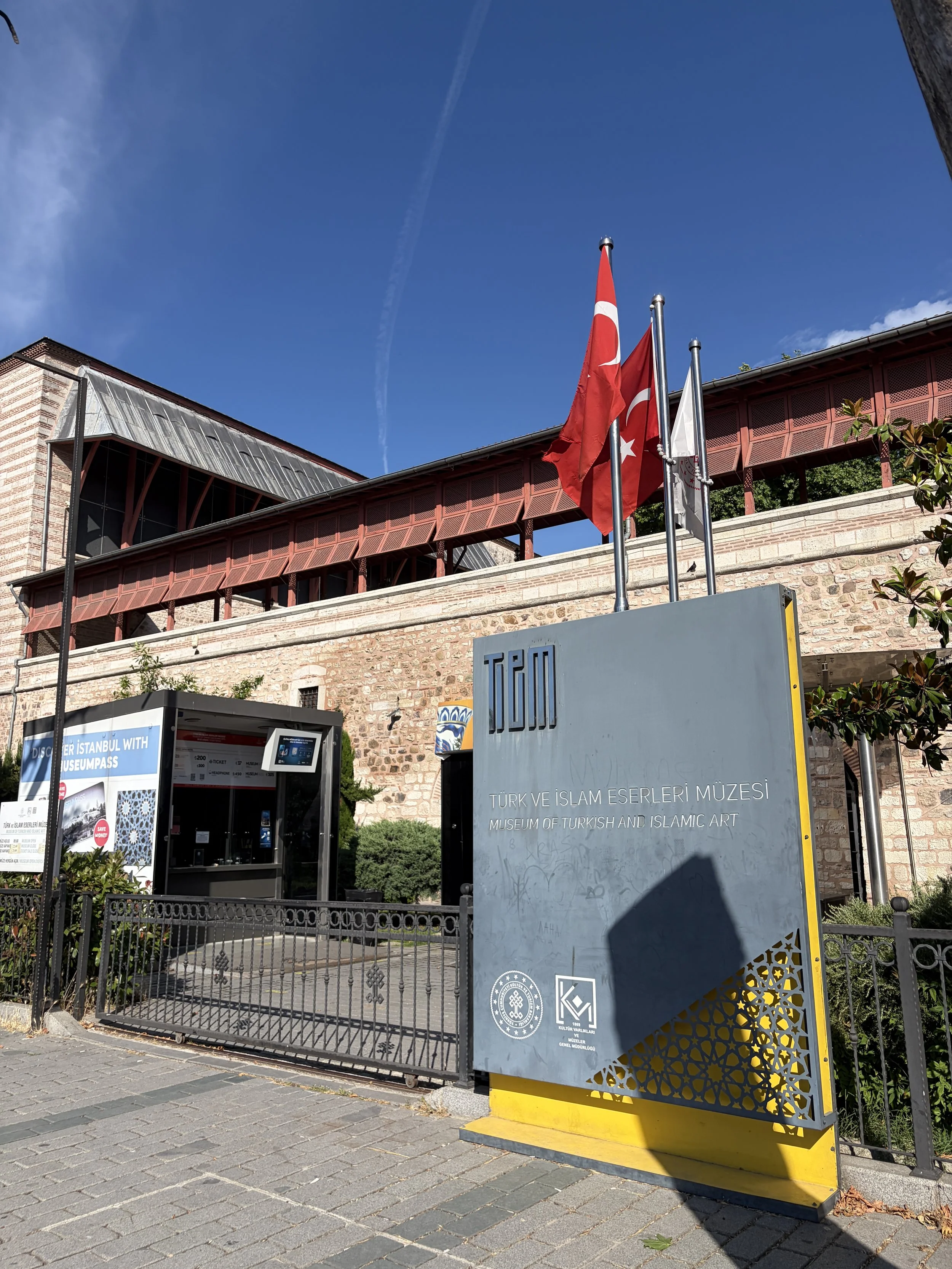
The entrance of the Turkish and Islamic Arts Museum
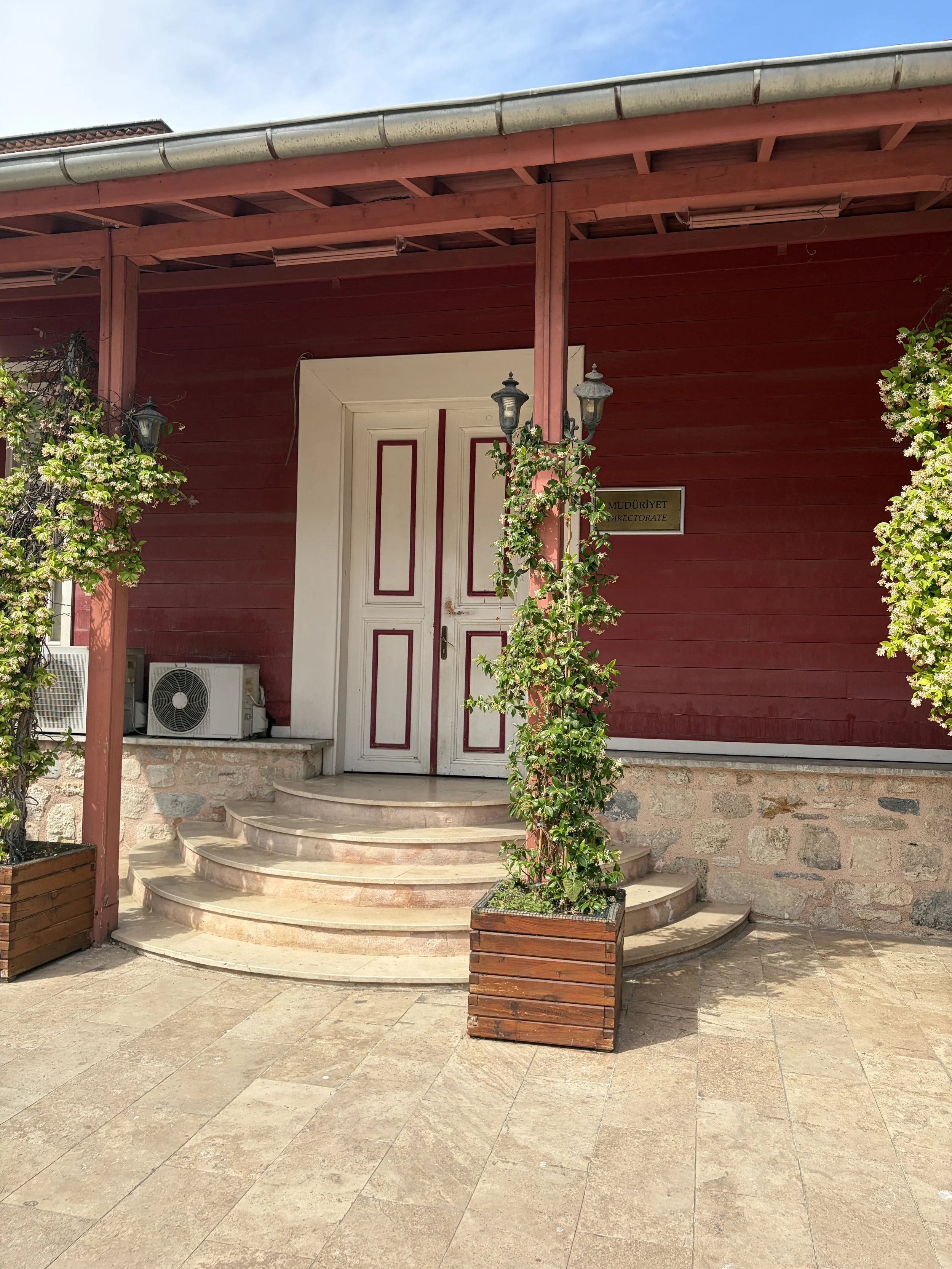
The directorate office’s entrance
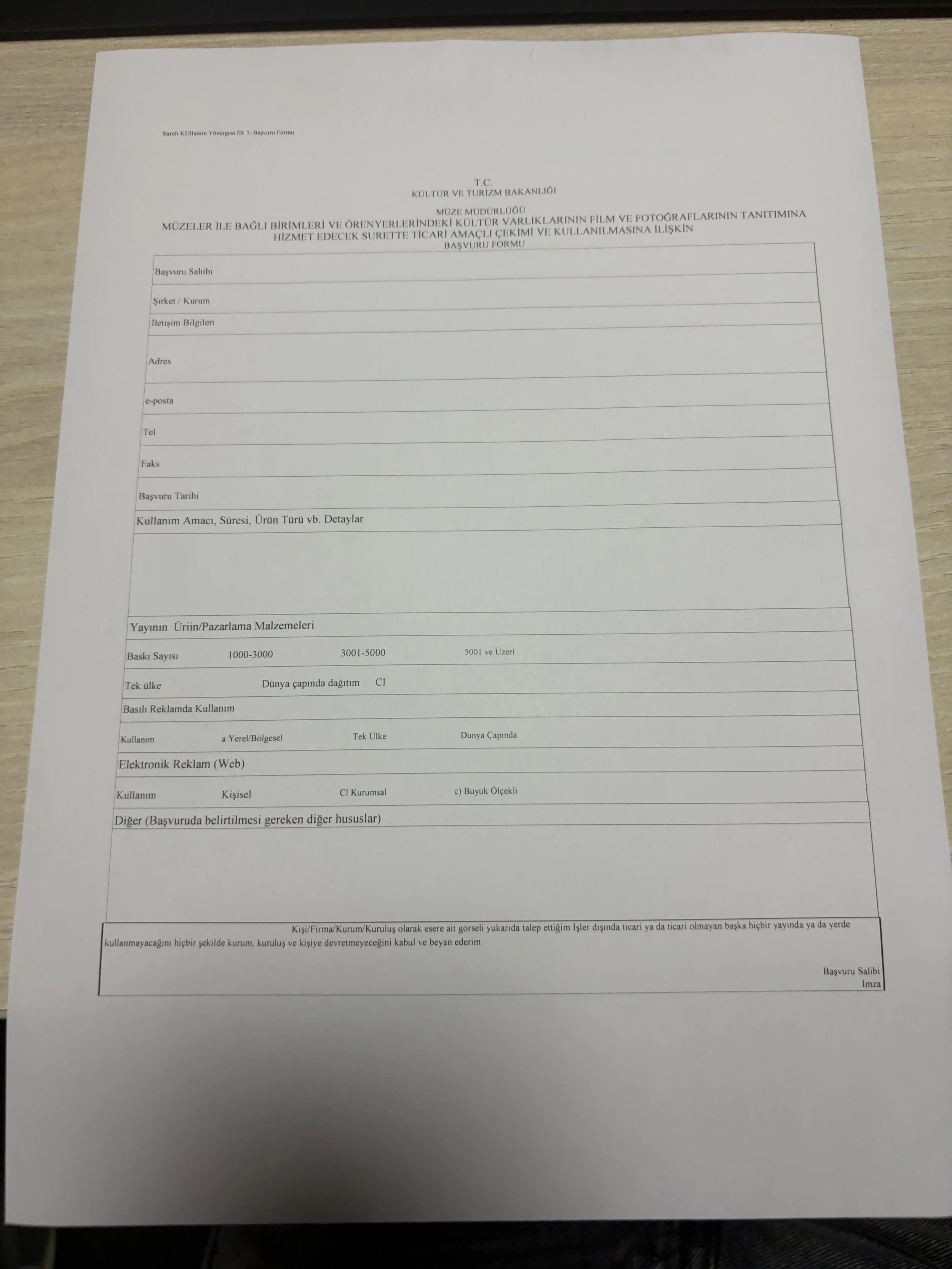
The request form for images
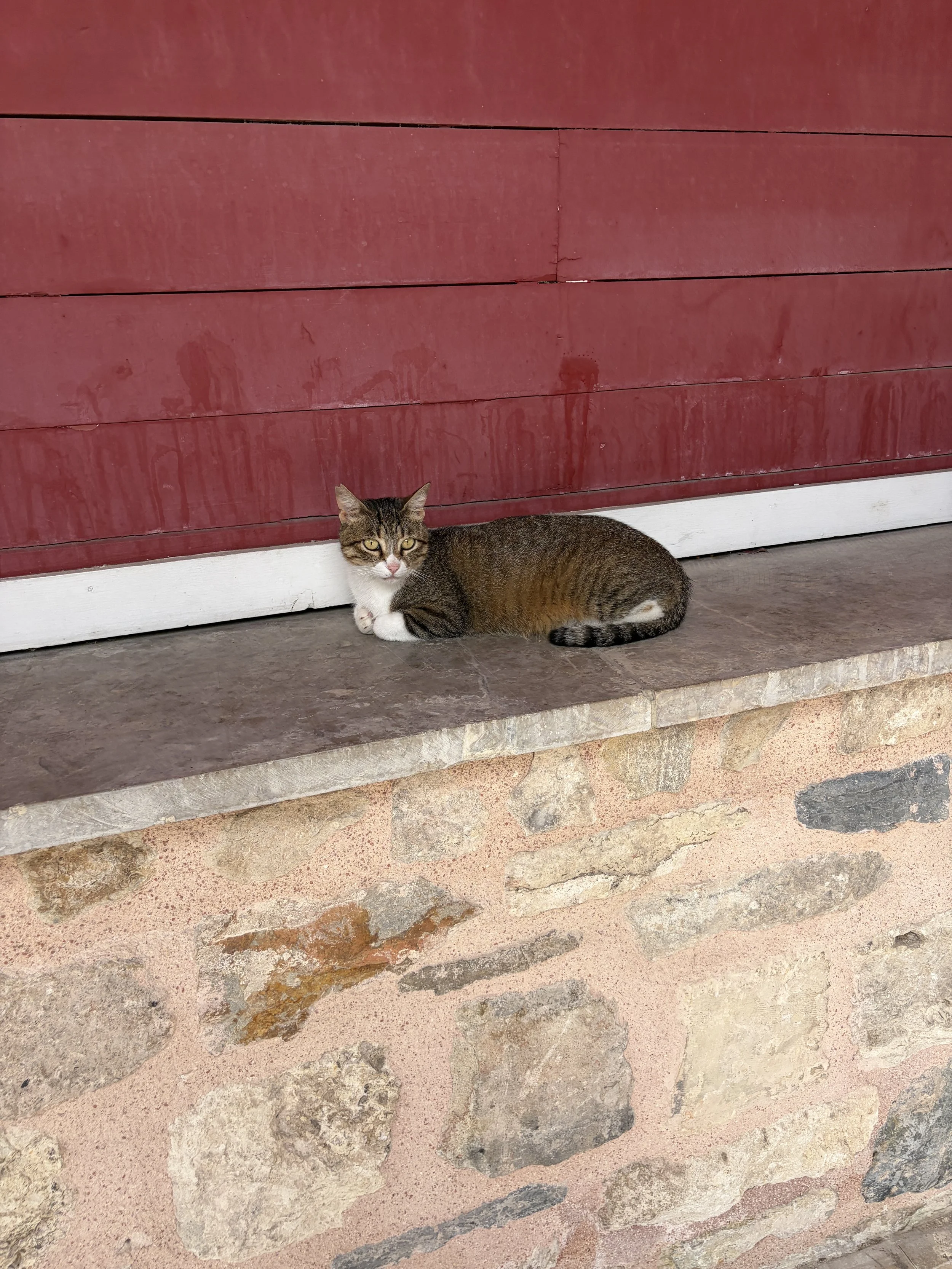
One of the museum’s cats